Game
Incubators
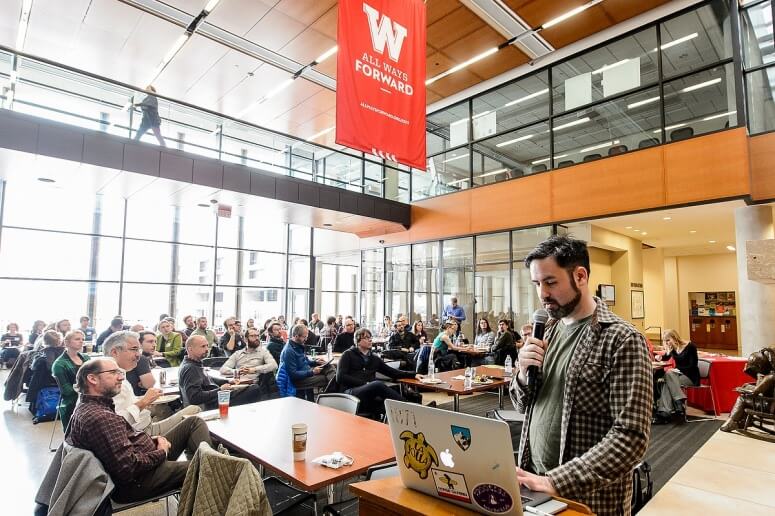
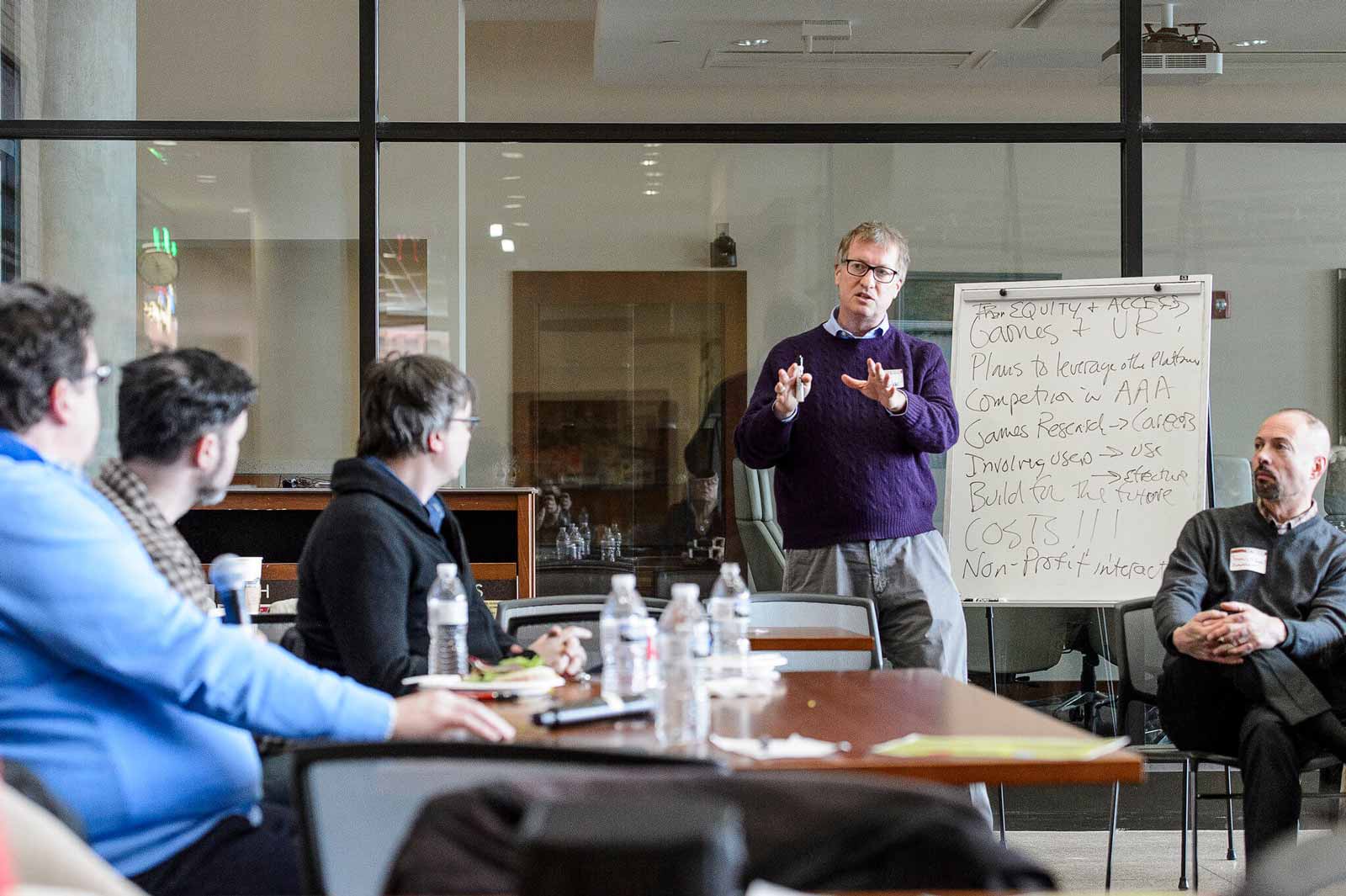
Researchers, educators, game designers, and sponsors — together in a room, building something new. Each incubator cohort turns cutting-edge science into a free learning game that reaches classrooms everywhere.
Learn More




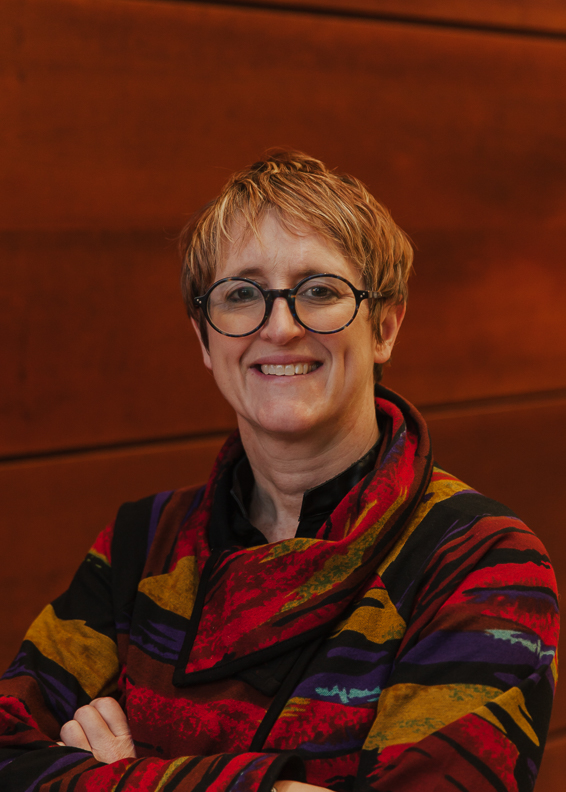
“Working with Field Day Lab on our Headlines and High Water journalism video game has been a highlight of my career to date. The team is competent, responsive, creative, and brilliant and, furthermore, they are a dream to collaborate with. I am already seeking new projects we might do together!”
Sue Robinson, Helen Firstbrook Franklin Professor of Journalism, UW-Madison
Get Involved
Already have games to play? Play our games with your students.
What Is an Incubator?


Scientists Who Want to Reach the World
Research is only as powerful as the people it reaches. Each incubator starts with a sponsor — a research lab, grant-funded project, or community organization — that has a topic they care deeply about and the resources to do something about it.
Researcher participants aren't just advisors. They're in the room, designing alongside educators and game experts. They bring the science; they learn what actually lands with a 7th grader. And when the game ships, their discovery is in the hands of students across the country.
South Pole neutrino research became a game about reading the night sky.
Wisconsin IceCube Particle Astrophysics Center · on Project Hercules
Read the storyA chemical engineering professor turned phosphorus runoff into a systems-thinking game.
UW–Madison School of Education · on Bloom
Read the storyTeachers Who Shape What Gets Built
Educators are the experts on learners. They know what confuses a 6th grader, what gets a class excited, and what a teacher can realistically fit into their week. In every incubator cohort, classroom educators sit at the design table from day one.
This isn't professional development you sit through — you're brought in as a professional. Your expertise shapes the game. You'll work side-by-side with researchers and designers over an intensive kickoff event plus follow-up online meetups, contribute to playtesting in your classroom, and end up with a game your students helped build. Fellows receive a stipend and travel costs, because your time is worth it.
Teachers helped build a journalism game. It won two national awards.
2024 Games for Change Awards · on Headlines and High Water
Read the story500 students in 14 districts playtested a shipwreck game into a national honor.
54th Annual Public Media Awards · on The Legend of the Lost Emerald
Read the storyOrganizations That Make It Happen
Every incubator runs because a sponsor believes in the mission. Sponsors provide the funding that makes the cohort possible, help define the thematic focus, and participate in the creative process alongside researchers and educators.
At the end of each incubator, sponsors have a seat at the green-light decision: which game concepts move forward to full production? It's a genuine creative partnership — not just a check. Past sponsors include the Howard Hughes Medical Institute, the Wisconsin IceCube Particle Astrophysics Center, and NSF-funded research projects from UW-Madison.
Become a Sponsor



How an Incubator Works
Phase 1 — Kickoff Event
A sponsor brings a theme and a question. We recruit a cohort: researchers with deep expertise, educators who know the classroom, and game designers from Field Day. Over one to two days at our Madison studio, the teams form and generate game "pitches" — rough concepts that map the sponsor's research onto compelling gameplay.
Phase 2 — Concept Development
The best pitches are refined. Educators take early prototypes into their classrooms. Students play, break things, and give real feedback. Researchers check the science. Designers translate everything into a tighter, buildable concept.
Phase 3 — Green Light
The sponsor and Field Day review the strongest concept. If it's greenlit, Field Day's team moves it into full production — and a game is born. Field Day games are free, play-tested with real students, and reach classrooms worldwide. A typical game costs $250k–$2M to produce, takes 18–24 months, and reaches hundreds of thousands of students annually.
Common Questions
-
2026 Frontiers of Biotechnology
May 2026
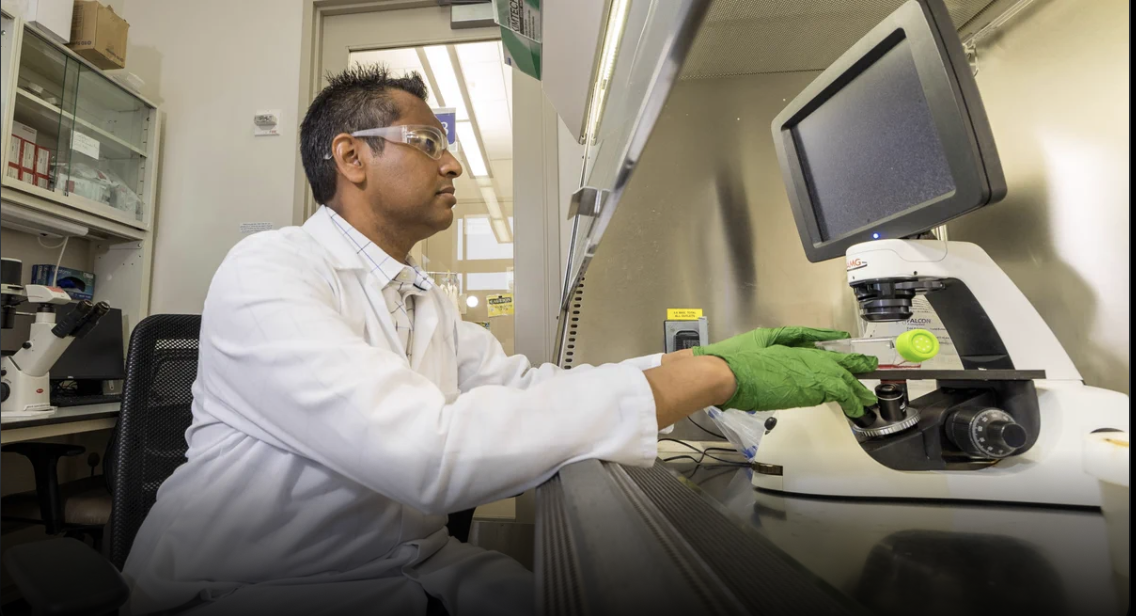
Concepts In ReviewPartnering with HHMI Tangled Bank Studios to develop game concepts exploring cutting-edge biotechnology research and the careers of tomorrow.
-
Aquatic Invasive Species Game Incubator
November 2025
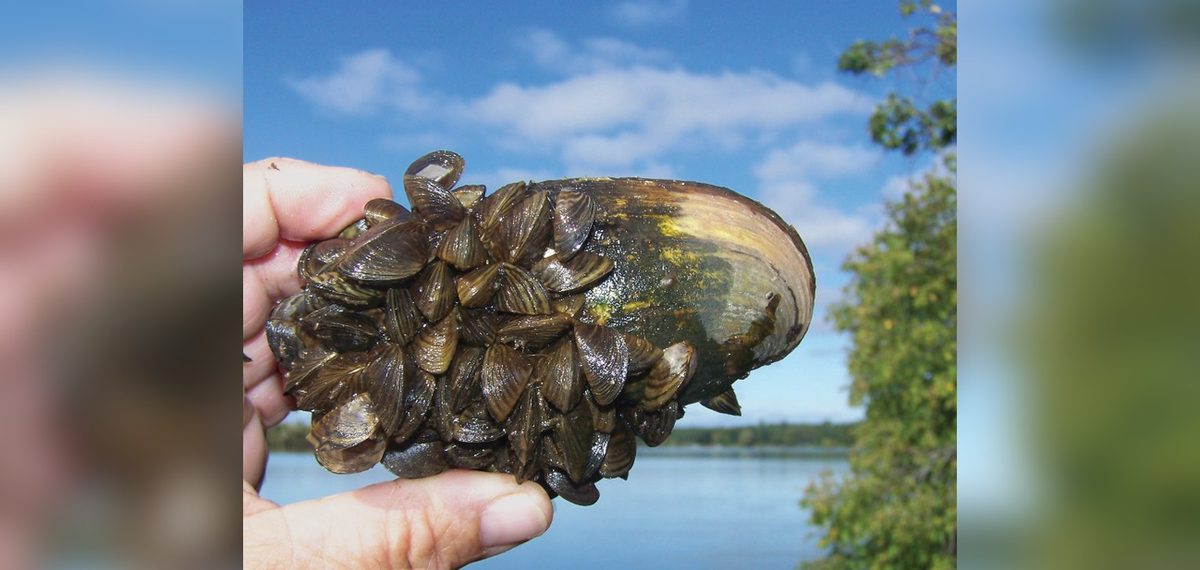
Game In ProductionPartnering with Illinois-Indiana Sea Grant to develop a game exploring aquatic invasive species and their impact on Great Lakes ecology.
-

Environmental Health Game Incubator
October 2025
Game In ProductionPartnering with dfusion and NIH-funded researchers to develop a game building players' environmental health literacy around indoor air quality.
-
Ocean Explorers: AUV Game Incubator
September 2025
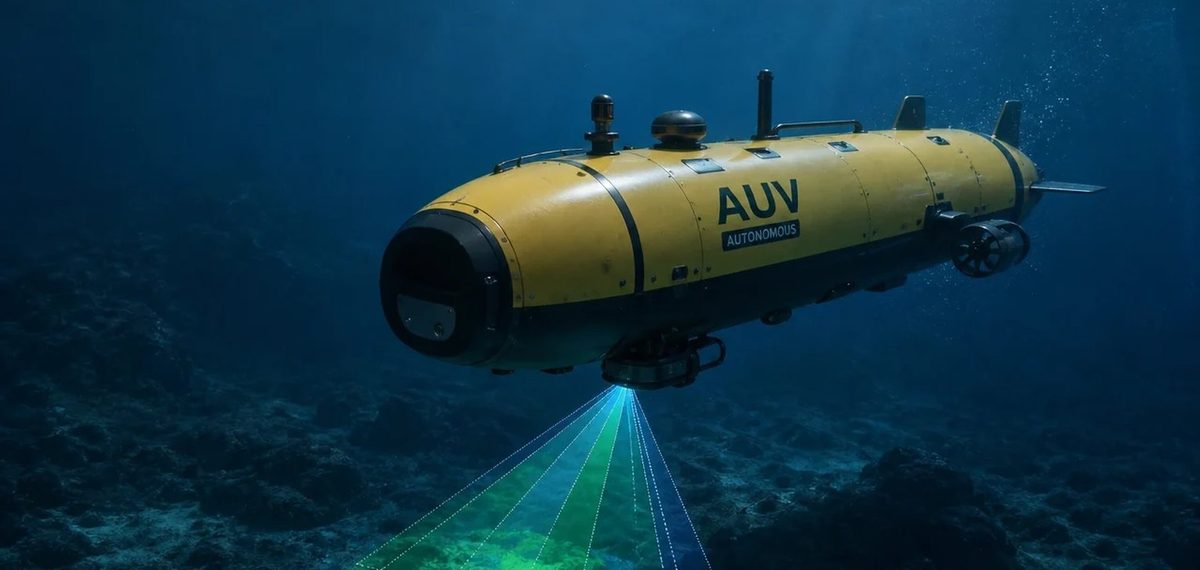
Game In ProductionPartnering with IEEE TryEngineering to develop a game around autonomous underwater vehicles and the engineers who design them.
-

2025 Practices of Life Science
2025
Game In ProductionExploring how science is actually done — four game concepts developed; one selected for a $250,000 production round.
Incubator Cohorts
2026 Frontiers of Biotechnology
Sponsor: Howard Hughes Medical Institute — Tangled Bank Studios May 5, 2026 · UW–Madison Status: Concepts In Review
About the Incubator
Field Day partnered with Tangled Bank Studios at the Howard Hughes Medical Institute to develop learning game concepts exploring cutting-edge biotechnology research and the careers it opens up. Over a full day at UW–Madison, researchers in biomedical engineering, conservation genetics, and biomedical imaging worked shoulder-to-shoulder with Wisconsin educators, HHMI media producers, and the Field Day design team.
The day moved from open brainstorming to lab tours with the Skala and Saha groups, then to researcher interviews and a second design session that turned real laboratory practice into playable ideas. It closed with team game pitches. Those concepts are now in review with HHMI.
Learn More2025 Practices of Life Science
Sponsor: NSF (PI Gagnon) · Wisconsin DPI 2025 · UW–Madison Status: Game In Production
About the Incubator
A cohort built around a single question: what does it actually look like to do science? Thirteen UW–Madison researchers — from systematic entomology to fungal biology to hydroecology — joined Wisconsin educators and librarians and the Field Day design team to turn the daily practice of their labs into game mechanics.
Six design sessions took the group from free-form brainstorming to naming the “boss levels” of each discipline and pitching new research stations in the style of Field Day’s game Wake. Four concepts came out of the day. One — anchored in UW entomology research — has been greenlit for a $250,000 production round.
Learn More Read the NewsAquatic Invasive Species Game Incubator
Partners: Illinois-Indiana Sea Grant · Wisconsin Center for Education Research November 17, 2025 · Chicago Botanic Garden, Glencoe, IL Status: Game In Production
About the Incubator
Field Day partnered with Illinois-Indiana Sea Grant to develop a learning game concept exploring aquatic invasive species and their impact on Great Lakes health. Over a day at the Chicago Botanic Garden, educators and invasive species scientists worked together to translate ecological research into game mechanics building players’ ecological literacy.
Learn MoreEnvironmental Health Game Incubator
Partners: dfusion · Wisconsin Center for Education Research · NIH/NIEHS October 24, 2025 · UW–Madison, Madison WI Status: Game In Production
About the Incubator
Field Day partnered with dfusion and the Wisconsin Center for Education Research on a NIH-funded incubator focused on environmental health literacy. The one-day workshop at UW–Madison brought together public health scientists and classroom teachers to generate game concepts centered on indoor air quality — helping players understand how their environment affects their health and how to use data to assess and communicate environmental risks.
Learn MoreOcean Explorers: AUV Game Incubator
Partners: IEEE TryEngineering · IEEE Oceanic Engineering Society · Wisconsin Center for Education Research September 29, 2025 · Navy Pier, Chicago Status: Game In Production
About the Incubator
Field Day partnered with IEEE TryEngineering and the IEEE Oceanic Engineering Society to develop a learning game concept around autonomous underwater vehicles. At Navy Pier in Chicago, educators and practicing engineers translated cutting-edge AUV and ROV design practices into playable game concepts for middle and high school science classrooms.
Learn MoreWhat comes out of an incubator?
- Free, browser-based, no student accounts — Every game is free to play, runs in any modern browser (including Chromebooks), and requires no student login or data collection. See our games →
- Research-backed — Field Day games are built with and studied by researchers; findings are published in peer-reviewed venues. See the research →
- Accessibility & privacy — Games are browser-based, require no student accounts, and collect no personally identifiable information. A full accessibility and privacy statement is in development.
-
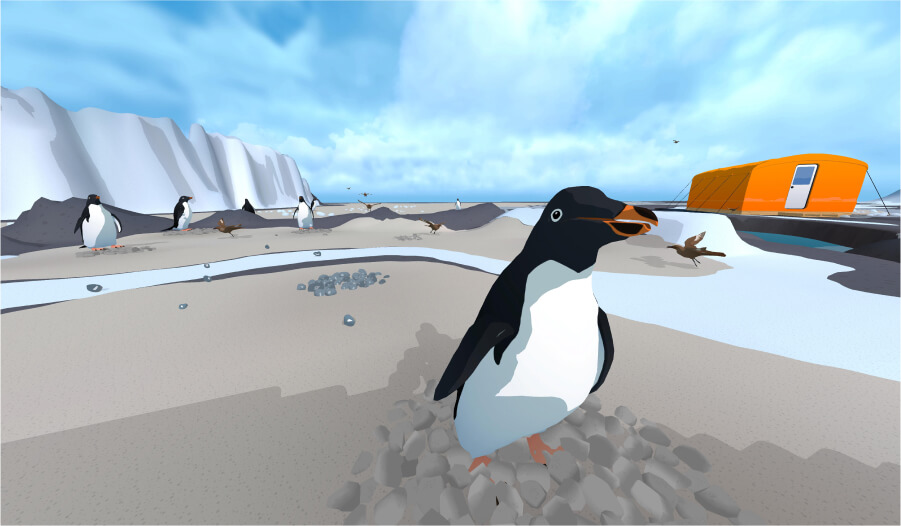
PolarVR Fellowship
Summer 2024 - Spring 2025
Explore how Virtual Reality can be used to bring polar research to life in your public or school library.
-

Astrophysics Game Design Fellowship
Spring + Summer 2024
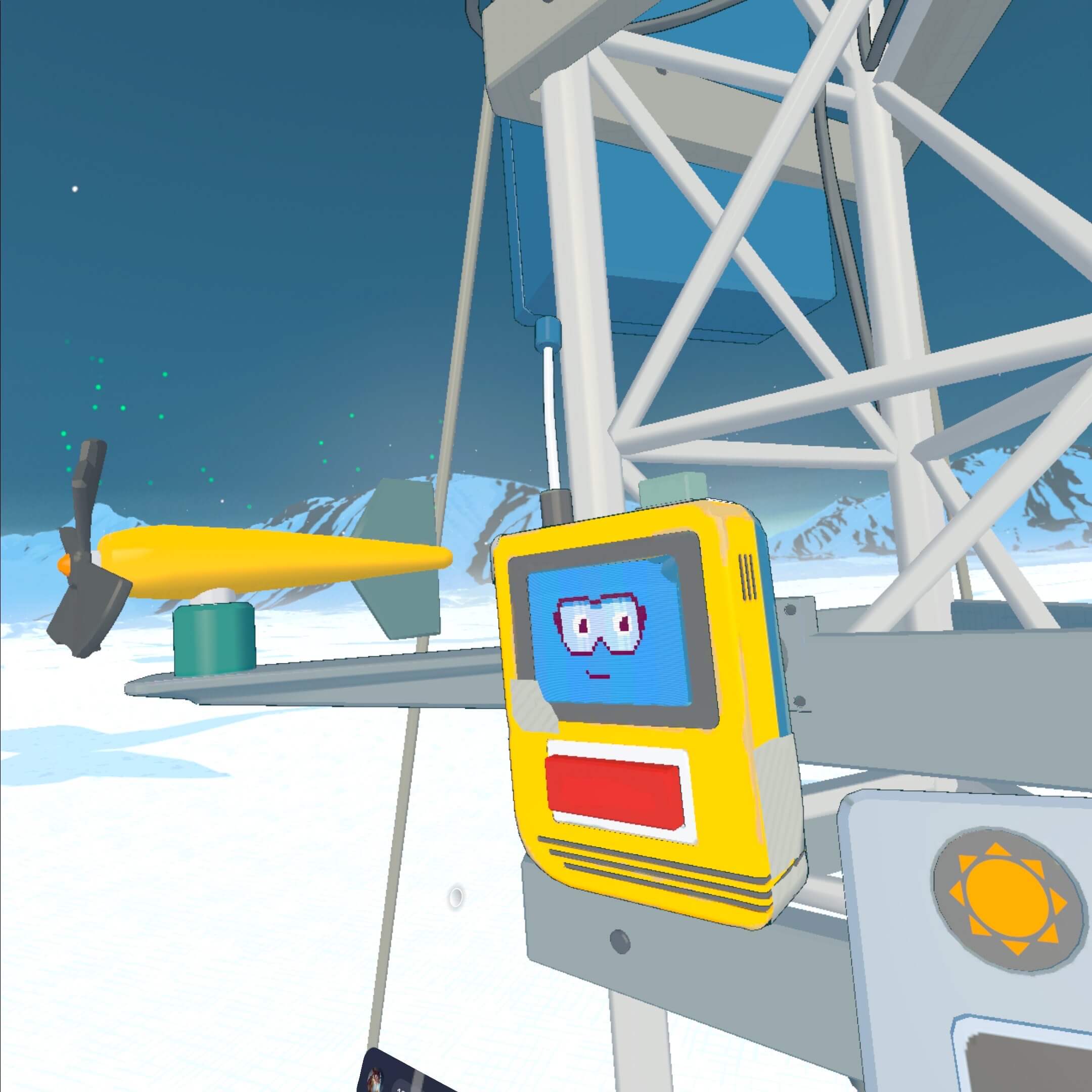
Join public librarians, school librarians, and science teachers to develop a new desktop educational game exploring key concepts in space science.
-
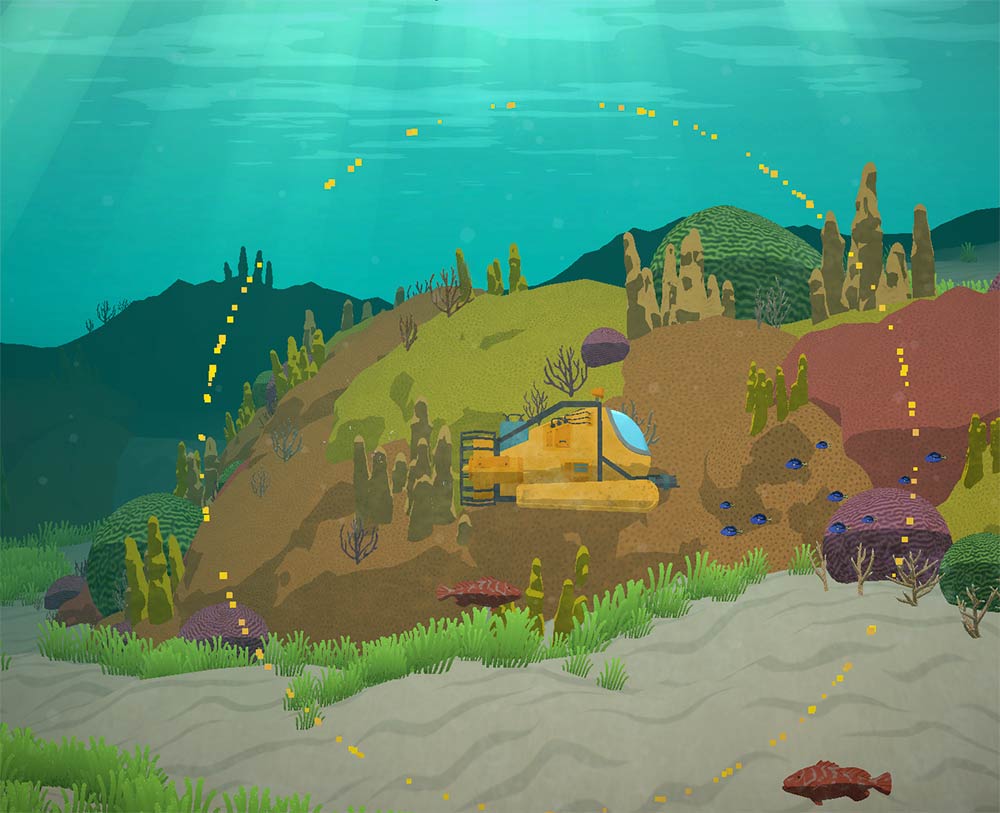
Aqualab Implementation Fellowship
August + Fall 2022
6th-9th grade science teachers exploring how Aqualab guides students in using science practices to investigate ocean ecosystems.
-
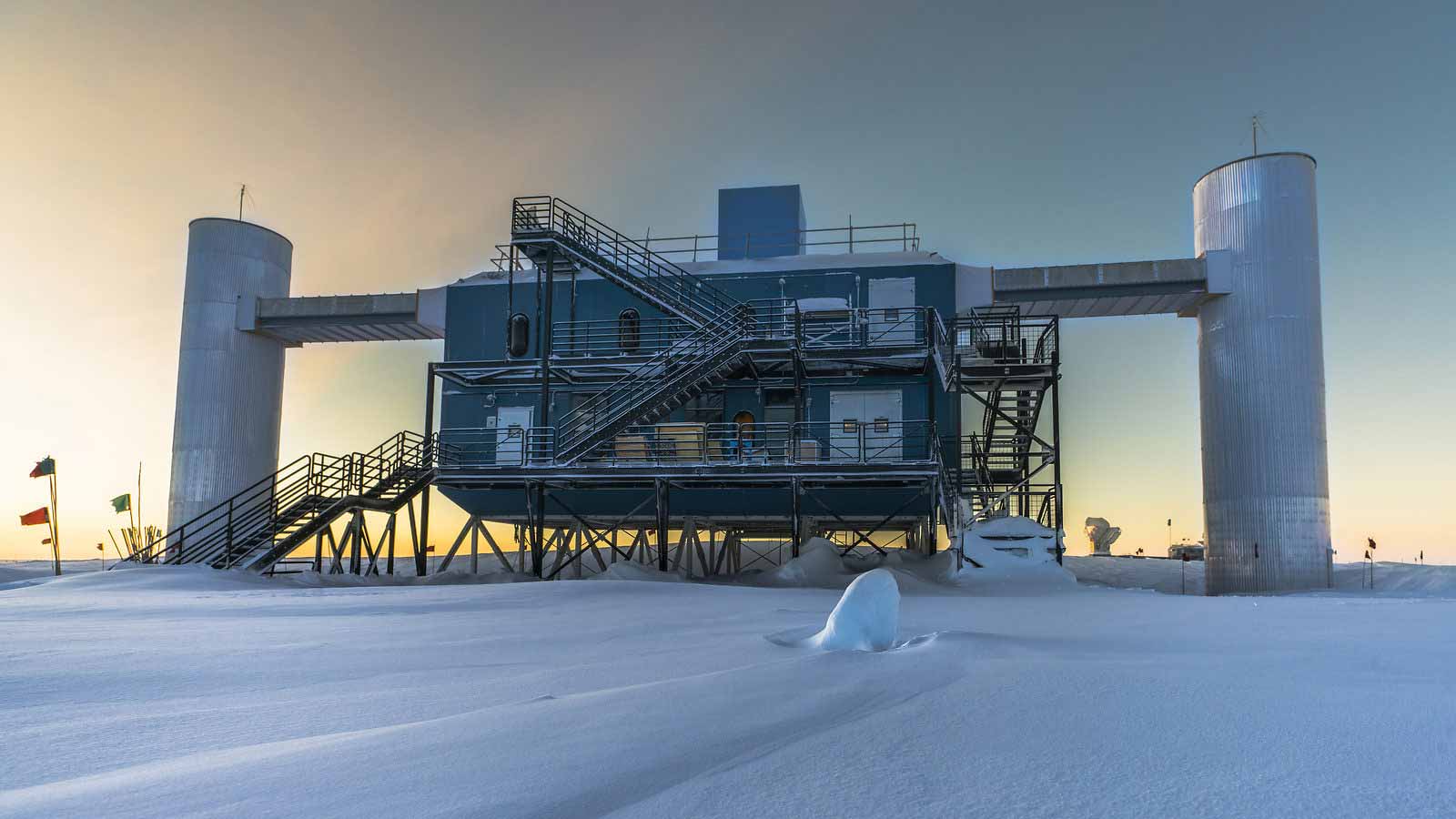
Virtual Reality Expeditions in your Library
August, Fall, Winter 2022-2023
Librarians in rural Wisconsin communities exploring VR to communicate cutting-edge NSF research and engage local Latinx audiences.
-
Journalism Game Fellowship
Winter / Spring 2021 [Virtual]
Educators who teach journalism and news media help create a game about journalistic practices and news literacy.
-
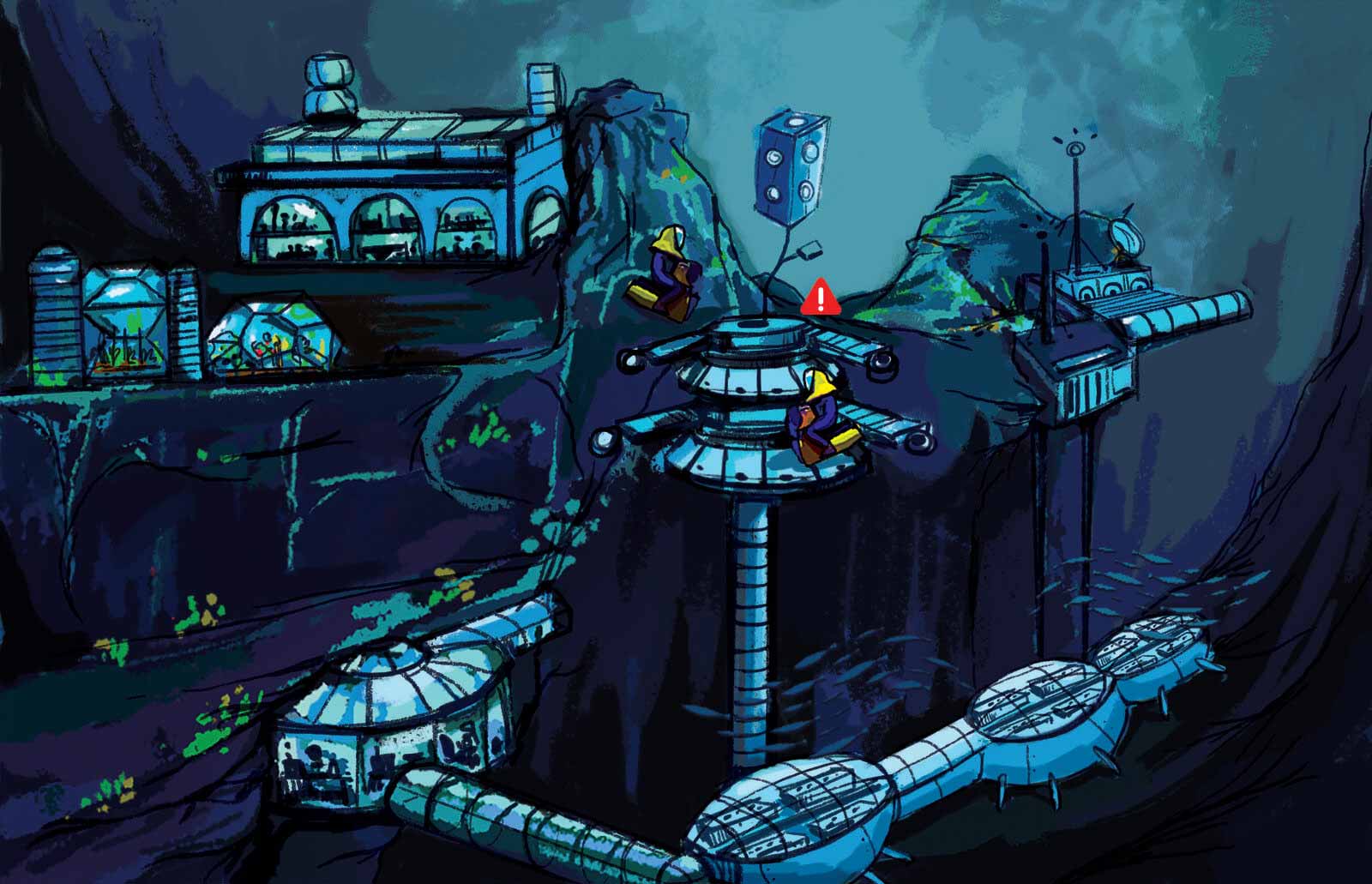
Aqualab Game Production Fellowship
Winter / Spring 2021 [Virtual]
-
Shipwrecks Game Production Fellowship
Fall 2020 [Virtual]
-
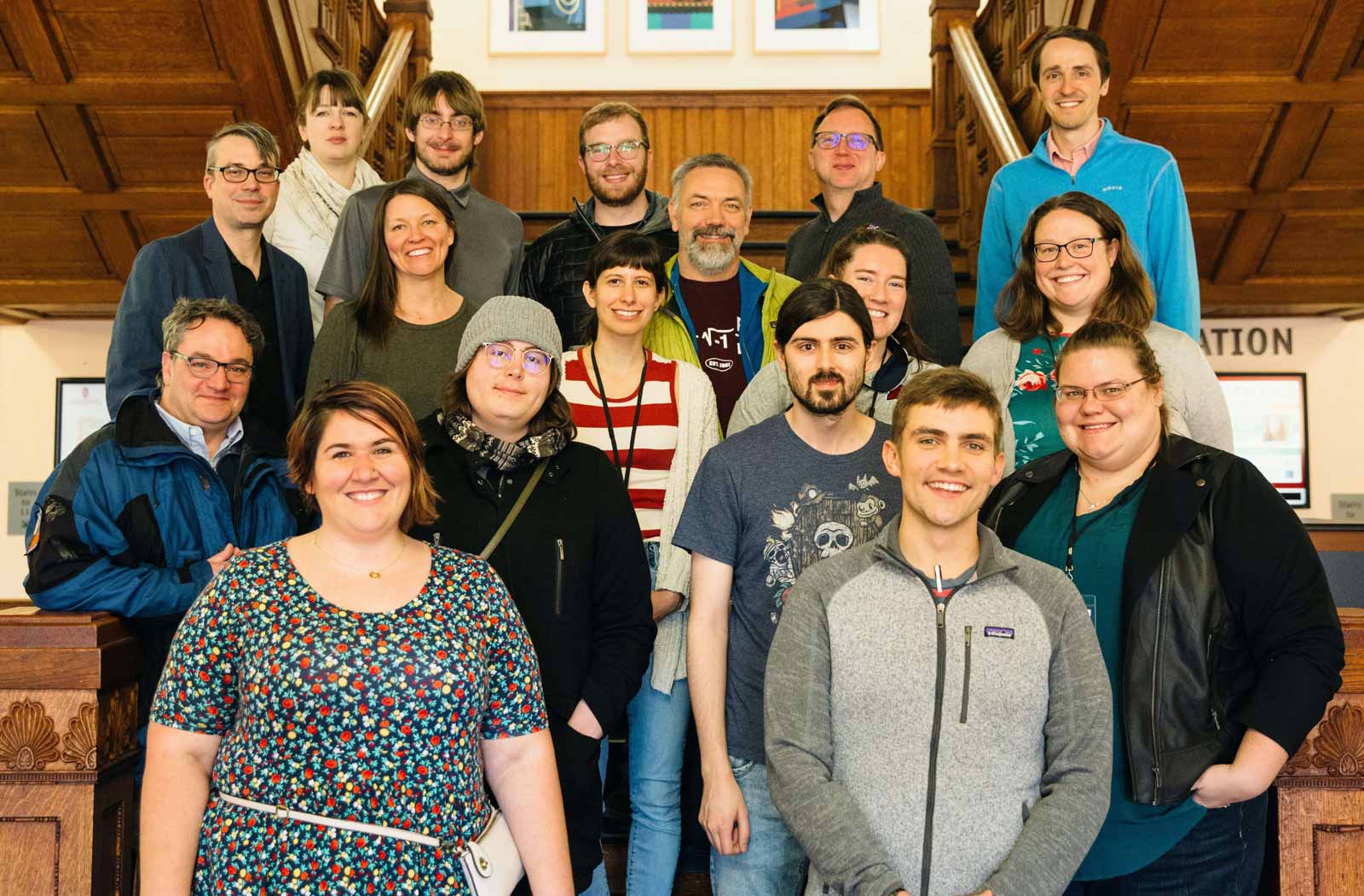
Game Dashboard Fellowship
Spring 2020
-
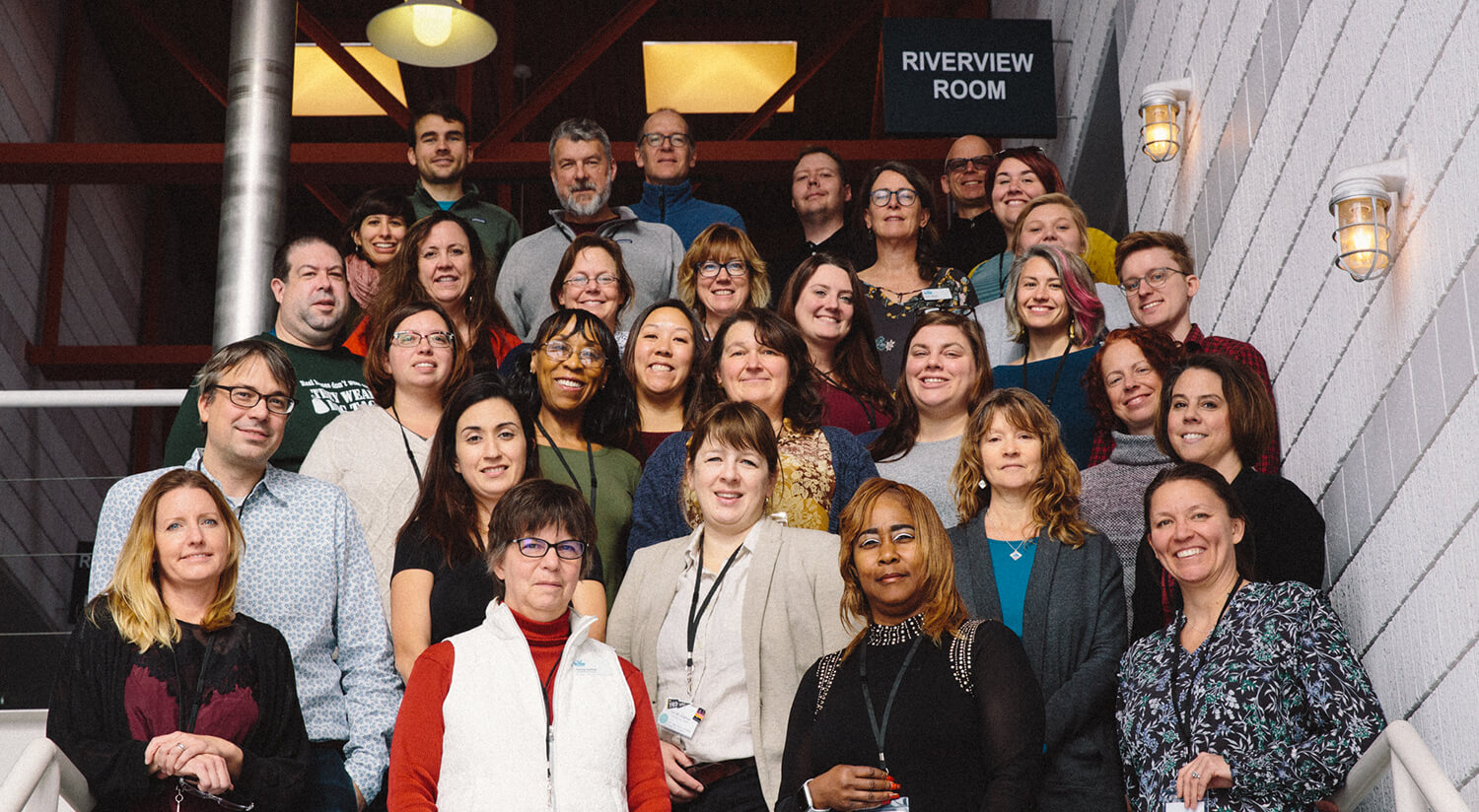
Shipwrecks Game Design Fellowship
Fall 2019
-
Farming and Phosphorus Game Design Fellowship
Fall 2018
-
Doing History with Games Fellowship
Fall 2018
-
State Capitol Game Production Fellowship
Spring 2018
-
Fieldwork Across the Curriculum Fellowship
Spring 2018
-

Wisconsin State Capitol Game Design Fellowship
Summer and Fall 2017
-
Material Science Research Experience
Summer 2017
-
Material Science Game Design
Spring 2017
-

Games for Humanity Fellowship
Spring 2017
-
Game On
Fall 2016
-
WDLC Game Design Course
Summer 2016
-
Student Game Design
Spring 2016
-

Science Mini Games
Spring 2016
-

Field Research
Fall 2015 and Spring 2016
Legacy Fellowships
Before the incubator model, Field Day ran educator fellowships — intensive design events focused on teacher expertise. This work shaped everything we do today.
Astrophysics Game Design Fellowship
We are no longer accepting applications Stipend: $200 More Info
Aqualab Implementation Fellowship
Application Deadline: [For Early Consideration] June 21, 2022 Stipend: $500 / Teacher More Info
Aqualab Game Production Fellowship
Application Deadline: December 1, 2020 Stipend: $500 / teacher More Info
Shipwrecks Game Production Fellowship
Deadline: October 15th, 2020 Stipend: $200 / teacher More Info
Game Dashboard Fellowship
Deadline has passed
About the Fellowship
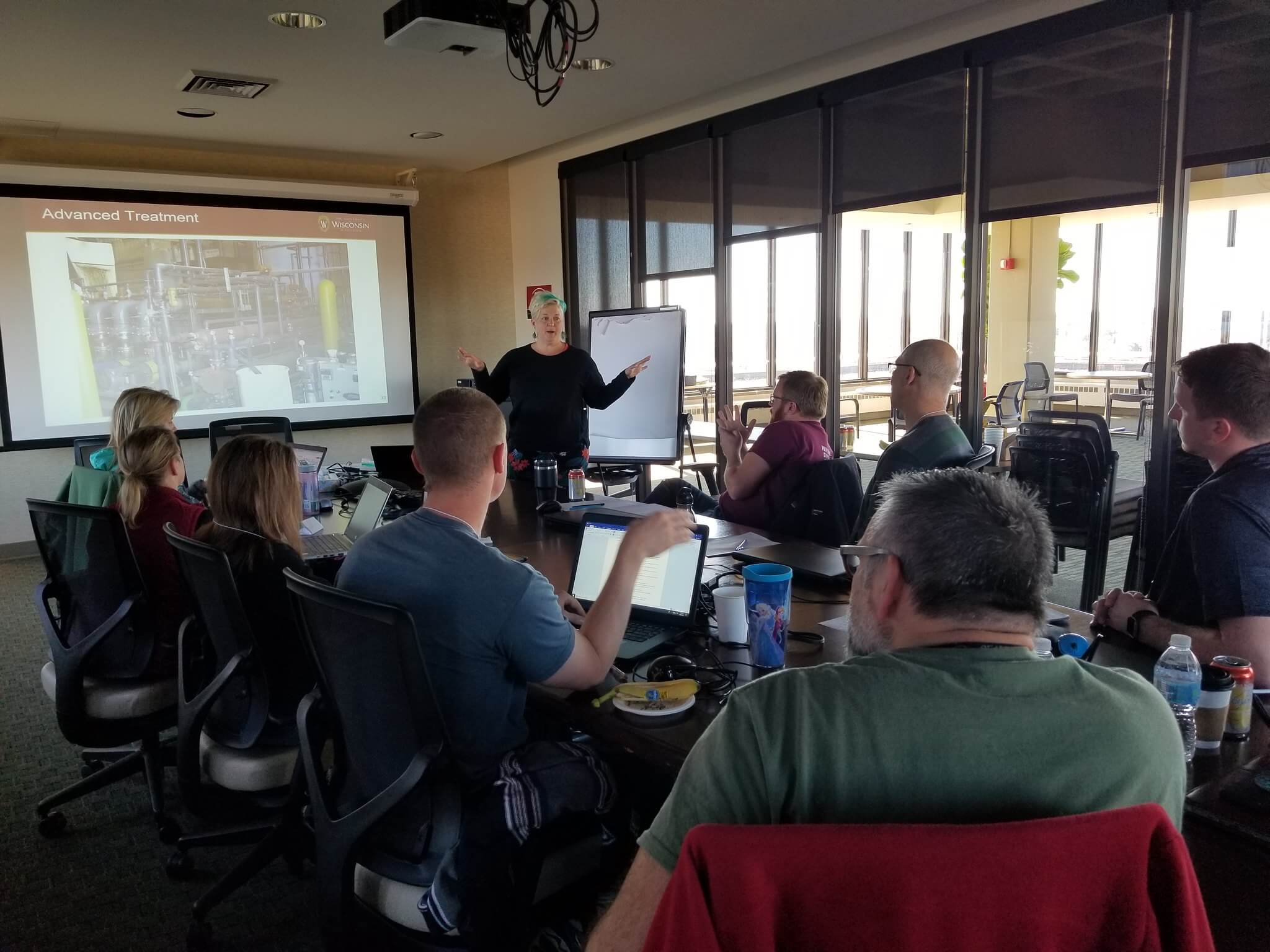
12 Wisconsin teachers came out to UW-Madison for an overnight event. They worked with data scientists, researchers, and the Field Day team to generate ideas for the dashboard.
Read the StoryShipwrecks Game Design Fellowship
Deadline has passed
About the Fellowship
14 teacher fellows came out for a unique 2-day event at the Manitowoc Maritime Museum. The teachers met marine archaeologists, game designers, and content producers. First they learned about game design and shipwrecks in the Great Lakes and got inspired by our surroundings. Then they worked to come up with design ideas for a free online game about Great Lakes shipwrecks!
Read the StoryFarming and Phosphorus
Deadline has passedAbout the Fellowship
Eight teacher fellows worked with us to develop a new science game, Lakeland, in collaboration with Victor Zavala at UW's Scalable Systems Lab. The teachers came on location in Madison, where they met with Victor, toured the campus, and went behind the scenes at Victor's lab. The teachers helped come up with ideas for Lakeland, did user testing with their students, and gave us input that informed the final version of the game.
Doing History with Games Fellowship
Deadline has passedAbout the Fellowship
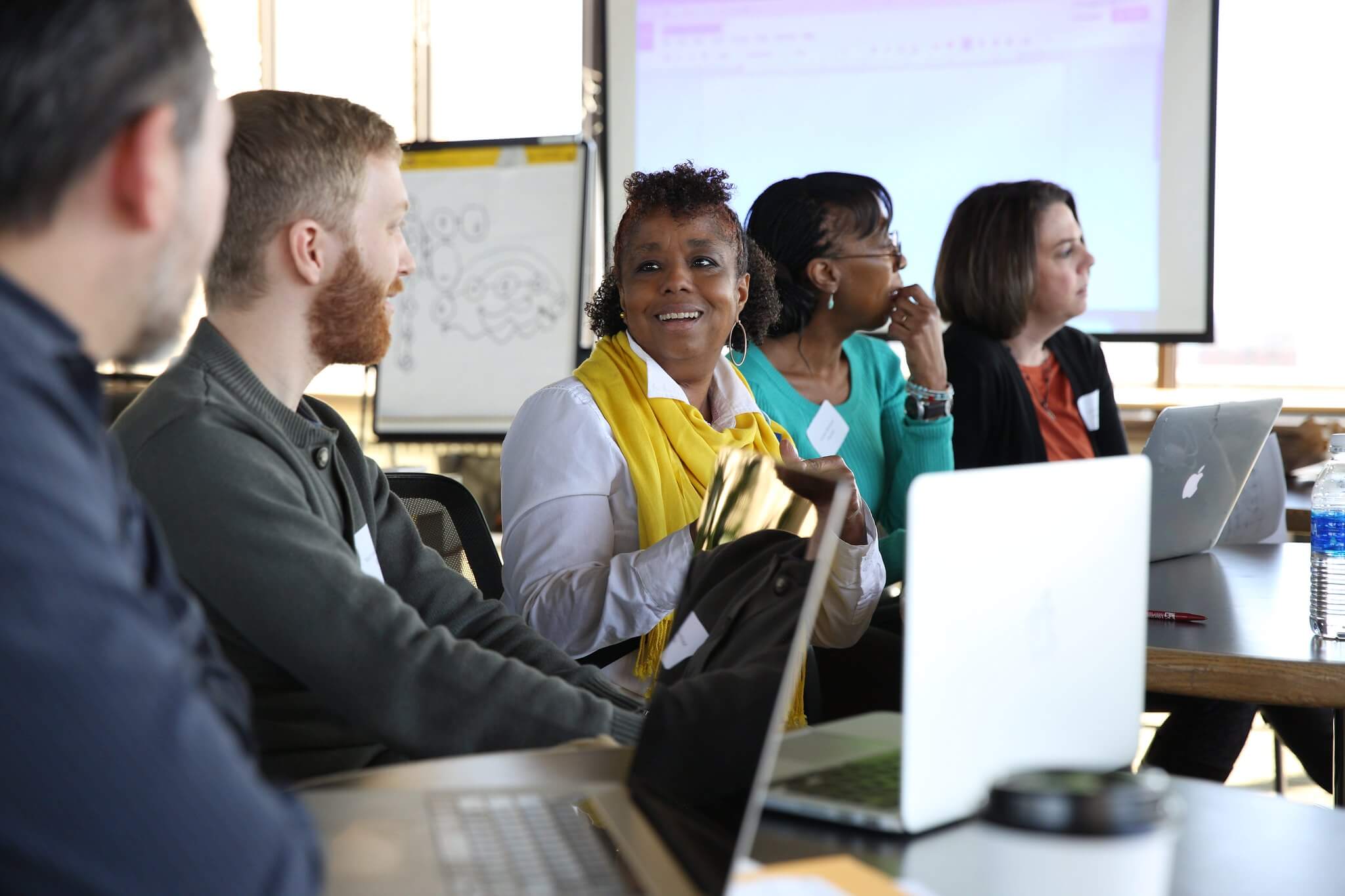
For this unique fellowship, teachers worked with their students to "do history" with a combination of games and inquiry-based lessons. The fellows met with historians and museum educators. They used our history game, Jo Wilder and the Capitol Case, as a jumping-off point and a source of inspiration for developing inquiry-based activities for their classrooms.
Wisconsin State Capitol Game Production Fellowship
Deadline has passedAbout the Fellowship
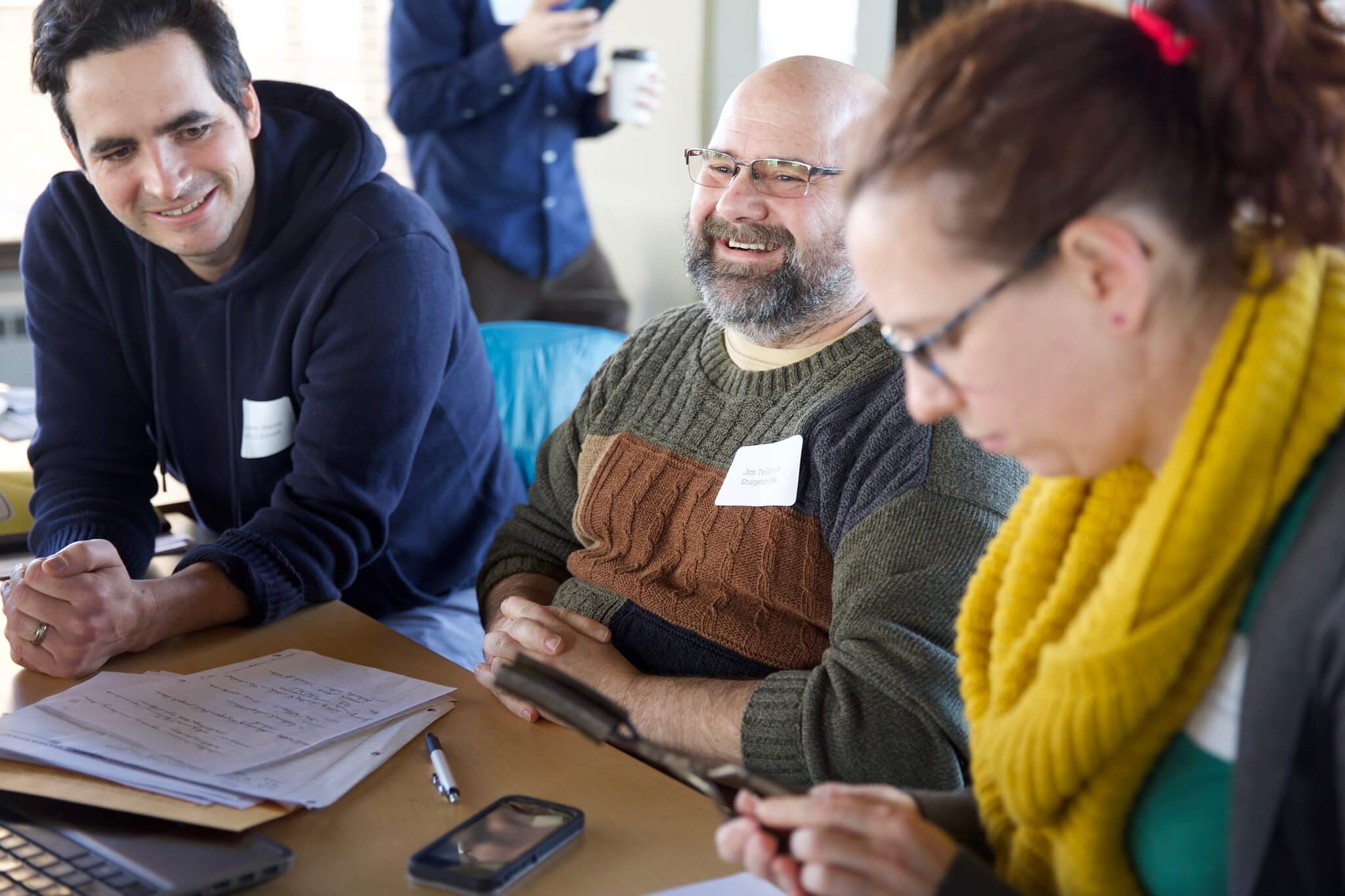
This fellowship brought elementary school teachers to UW-Madison to help develop ideas for a game about Wisconsin history. The teachers worked alongside archivists, historians, and game designers to build game design concepts based on historical artifacts. One of the design ideas from this fellowship grew into a level of our Wisconsin history game, Jo Wilder and the Capitol Case.
Fieldwork Across the Curriculum Fellowship
Deadline has passedAbout the Fellowship
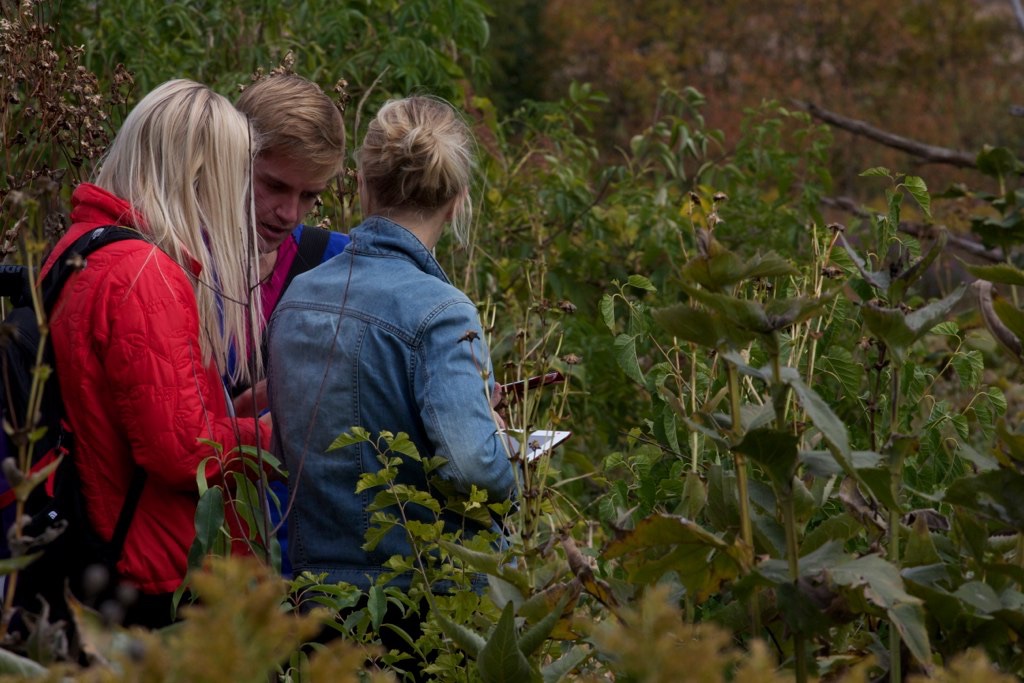
This fellowship invited K-12 teachers from all across WIsconsin to design fieldwork activities for their students. Teachers used SIftr, Field Day's citizen science app, to bridge the gap between the classroom and the rest of their students' lives. Using papers, clipboards, and Siftr, kids went out in the world to make observations and then used the data they collected to spark discussions in their classrooms.
Wisconsin State Capitol Game Design Fellowship
Deadline has passedAbout the Fellowship
Our 3rd-5th grade teacher fellows came on location in Madison to develop ideas for a Wisconsin history game. The teachers toured the Wisconsin Historical Society, explored the Capitol building, and met with archivists. The fellows worked with Field Day's design team and experts from PBS Wisconsin to develop a concept that would later become our WIsconsin history game, Jo Wilder and the Capitol Case.
Material Science Research Experience
Deadline has passedAbout the Fellowship
For this on-site fellowship, teachers put on a lab coat and joined the University of Wisconsin's Materials Research Science and Engineering Center. The teachers spent the summer working in the lab alongside experts. Then they designed digital or hands-on laboratory activities for their students based on their research experiences.
Material Science Game Design
Deadline has passedAbout the Fellowship
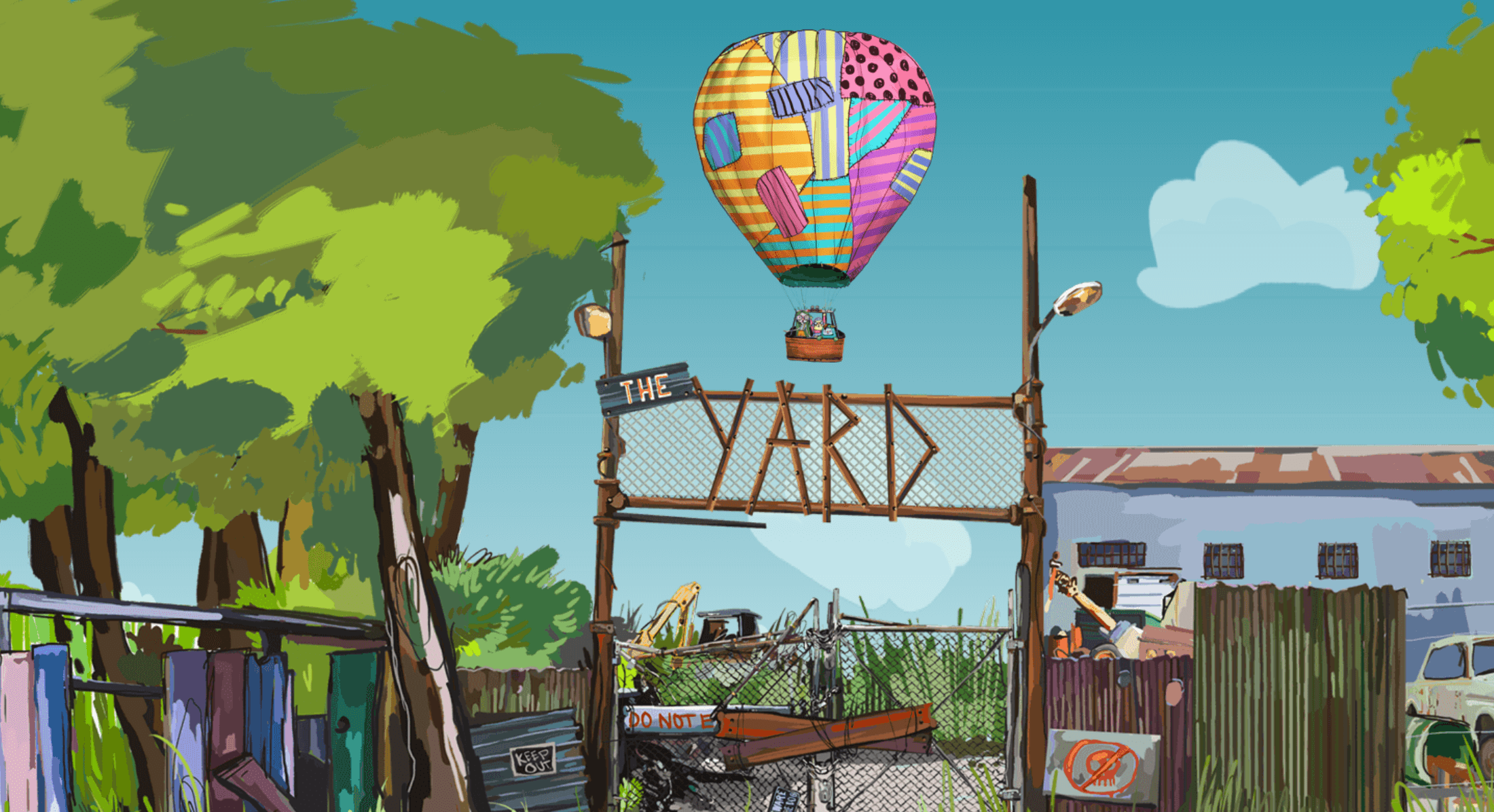
For this fellowship, 6 middle-schools science teachers worked as part of a crack team to help conceptualize, design, and test two science games to join our Yard Games collection. The teachers met with leading scientists from the Materials Research Science and Engineering Center, education experts, and the design team here at Field Day.
Games for Humanity Fellowship
Deadline has passedAbout the Fellowship
For this fellowship, 15 teachers used ARIS, Field Day's game design platform, to integrate game design into their curriculum. Instead of having their students write final papers, the teachers designed and implemented a project where their students built mobile games to demonstrate their understanding.
Game On
Deadline has passedAbout the Fellowship
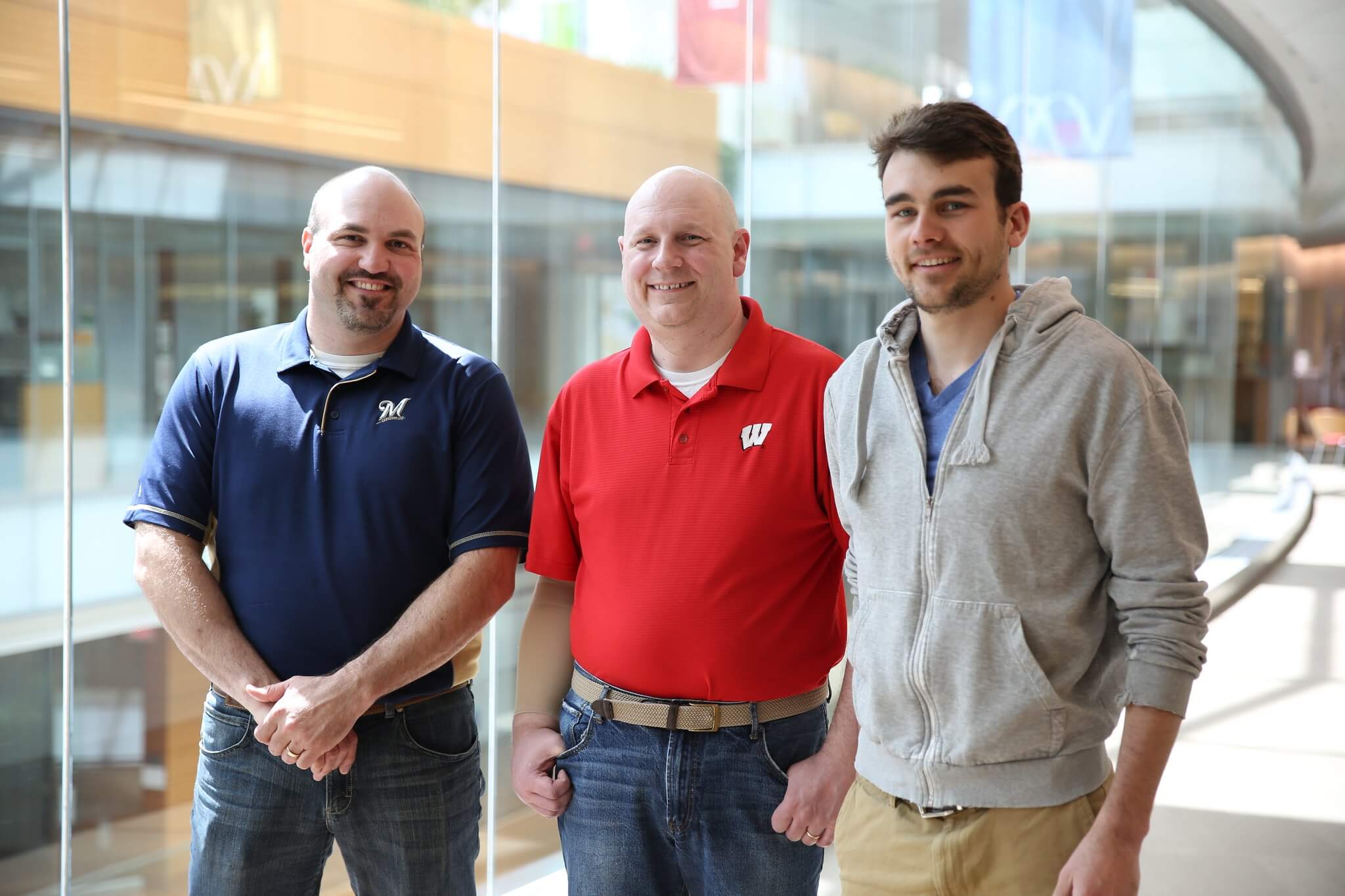
This fellowship recruited 22 teachers from across Wisconsin who were excited about using learning games with their students. The teacher fellows used at least two of the Yard Games with their students, reported back on their experiences, and attended online meet-ups.
WDLC Game Design Course
Deadline has passedAbout the Fellowship
For this fellowship, two teachers—Dave Strong and Dan Rhode—worked with designers and experts to develop a game design course for high school students. The online course includes a six-part video, discussion questions, and online resources (like slides and worksheets) that teachers can print, download, and edit. This course was developed in partnership with Field Day, DPI, and WDLC. You can learn more visiting our online course
Student Game Design
Deadline has passedAbout the Fellowship
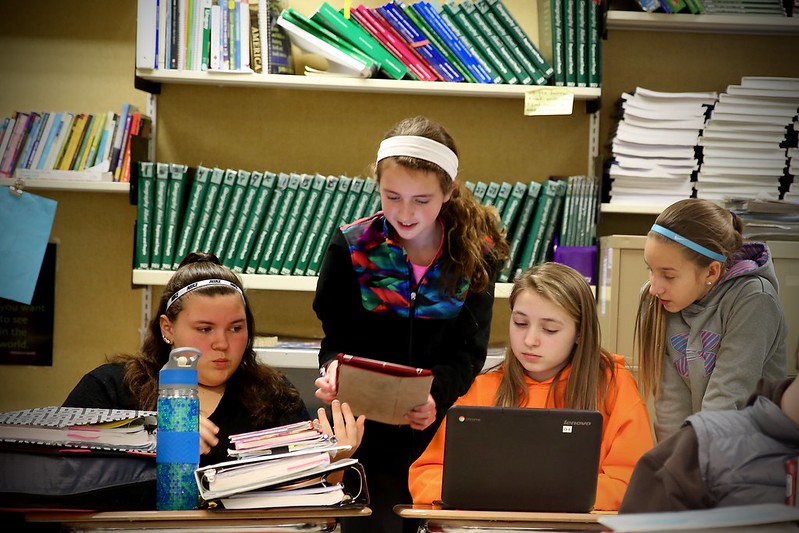
Two innovative teachers from DeForest Middle School, Beth Stofflet and Larry Moberly, worked with Field Day to help their seventh-graders become game designers. The kids used ARIS, Field Day's game design platform, to design digital games based on what they were learning about Africa. Beth and Larry asked their students to investigate issues like gold mining, education, or the ivory trade. By the end of the project, 250 students had created video games based on their research.
Science Mini Games
Deadline has passed
About the Fellowship
For this fellowship, science teachers from across the state came to Madison to help develop nine new online science games, the Yard Games. The teachers worked side-by-side with our design team and offered their real-world expertise to help us understand what would really work in the middle-school classrooms.
Field Research
Deadline has passedAbout the Fellowship
We worked with three awesome research fellows to refine our citizen science app, Siftr. The Field Research fellows helped us explore the best way to do field research activities in formal and informal settings. The teachers were super important in helping us create Siftr. Check out how one of our awesome fellows, Larry Gundlach, used SIftr to teach poetry:
Read the Story